
Do You Need Planning Permission For A Loft Conversion In Cornwall?
If you are weighing up a loft conversion in Cornwall, the planning question is not really “do I need permission”. It is “which of two completely different rules applies to my roof”, because the answer swings on whether you want rooflights or a dormer. Get that right and you may need no application at all. Get it wrong and you have lost eight weeks and £548 before a single slate moves.
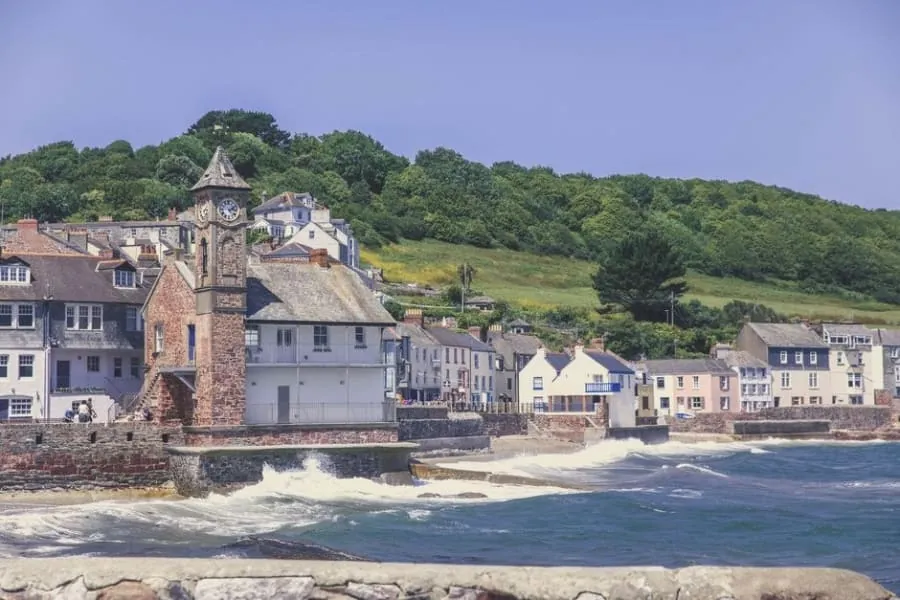
Cornwall makes this harder than almost anywhere else in England. The county contains 145 conservation areas, a National Landscape covering roughly 27% of its area across twelve separate sections, a second National Landscape in the Tamar Valley, and all ten areas of the Cornwall and West Devon Mining World Heritage Site. Every one of those designations does the same specific thing to your roof rights. This is what that means in practice.
The short answer for a loft conversion in Cornwall
Permitted development is a national grant of planning permission that already exists, set out in the General Permitted Development Order 2015. You are not applying for anything. You are checking whether the permission you already hold covers what you want to build.
Two classes matter for a roof. Class B covers additions to a roof, which means dormers and hip to gable work. Class C covers other alterations, which means rooflights. They read similarly and they behave completely differently, and that single distinction decides most Cornish loft conversions before anyone gets a tape measure out. If you are still deciding what sort of conversion suits your roof, our page on loft conversions across Cornwall covers how head height and roof structure narrow the options.
The practical order is: establish which class you are in, check what land you are on, then design. Doing it the other way round is how people end up in love with a dormer they cannot have.
Do you need planning permission for a rooflight loft conversion?
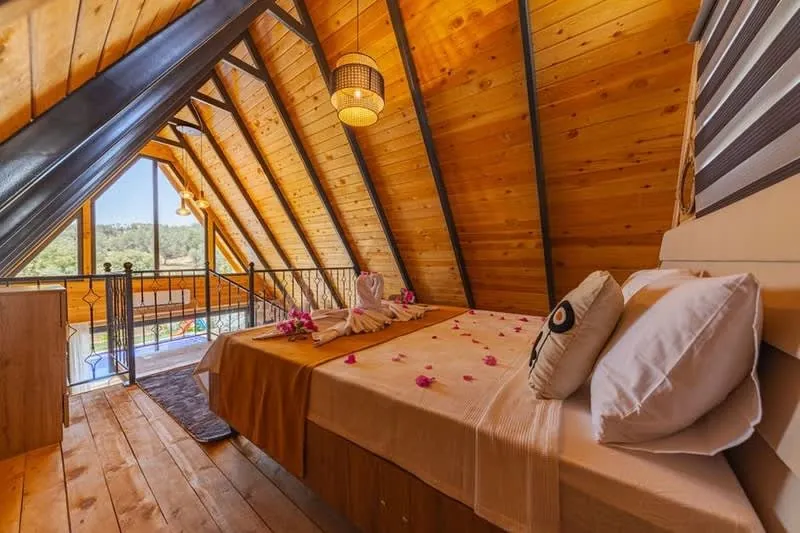
Usually not, and this is the single most useful thing to know about loft conversions in this county. Class C of the permitted development order permits alterations to a roof subject to one main dimensional test: nothing may protrude more than 0.15 metres beyond the plane of the original roof slope. Standard rooflights are designed to sit inside that.
The important part is what Class C does not say. It contains no restriction on article 2(3) land. None. So a rooflight conversion generally remains permitted development in a conservation area, inside a National Landscape and within the World Heritage Site, subject to that 150mm limit and to any condition or direction on your particular property.
Two caveats worth knowing. Any window in a side-facing roof slope must be obscure-glazed and non-opening below 1.7m above floor level. And on a listed building none of this applies - you need listed building consent, which at least costs nothing to apply for.
Where a loft conversion in Cornwall loses permitted development

Class B, which covers dormers, is explicitly unavailable on what Schedule 1 of the order calls article 2(3) land. That category includes conservation areas, areas of outstanding natural beauty - now called National Landscapes - and World Heritage Sites.
Lay that definition over Cornwall and the effect is unusually wide:
- 145 conservation areas, from Truro and Padstow down to individual village cores
- The Cornwall National Landscape, which Cornwall Council itself describes as covering approximately 27% of Cornwall in twelve separate geographical sections
- The Tamar Valley National Landscape on the eastern edge
- All ten areas of the Cornwall and West Devon Mining World Heritage Site, inscribed in 2006 and covering 19,719 hectares
Within the patch we work, three of those World Heritage areas apply directly: St Agnes, Charlestown just outside St Austell, and the Caradon Hill district near Liskeard. If your house sits in any of them, a dormer is a full planning application from the outset. That is not a grey area.
There is a design argument running alongside the legal one, and it is worth taking seriously rather than resenting. Cornwall Council’s own heritage roofing guidance, written for Camelford, says new dormers should follow traditional proportions and that large box-like roof extensions inevitably harm the appearance of the roofscape. The same document calls conservation rooflights ideal in a conservation area context. Design with that grain rather than against it and the whole process gets easier.
The 1948 rule that catches out Cornish terraces
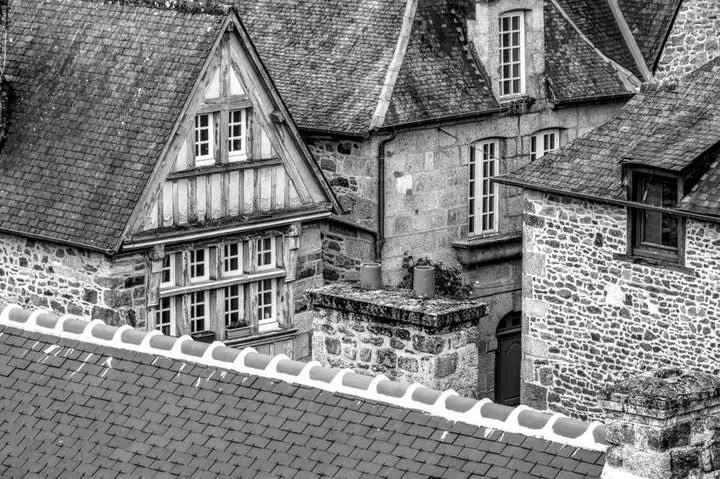
Even outside the designated land, Class B has a volume allowance: 40 cubic metres for a terraced house and 50 cubic metres for anything else. Most guides stop there. The bit they leave out matters more.
The allowance is measured against the original dwellinghouse, and for any building that existed before 1 July 1948, “original” means as it stood on that date. It is cumulative, not per-project. So if a previous owner added a dormer in 1985, that volume has already been spent out of your allowance and it does not reset when the house changes hands.
Cornwall has an older housing stock than England as a whole - 27.7% of dwellings predate 1919, against 20.2% nationally. On a Victorian terrace in Truro or Bodmin, the odds that somebody has already taken a slice out of the roof are meaningfully higher than average. It is worth establishing before you design, not after.
Class B carries other conditions people trip over: no part may sit higher than the existing ridge, nothing may extend beyond the plane of a roof slope forming the principal elevation and fronting a highway, and the enlargement must stay at least 0.2m back from the eaves, measured along the slope. Hip to gable work is exempt from that last one.
New estates and the condition nobody reads
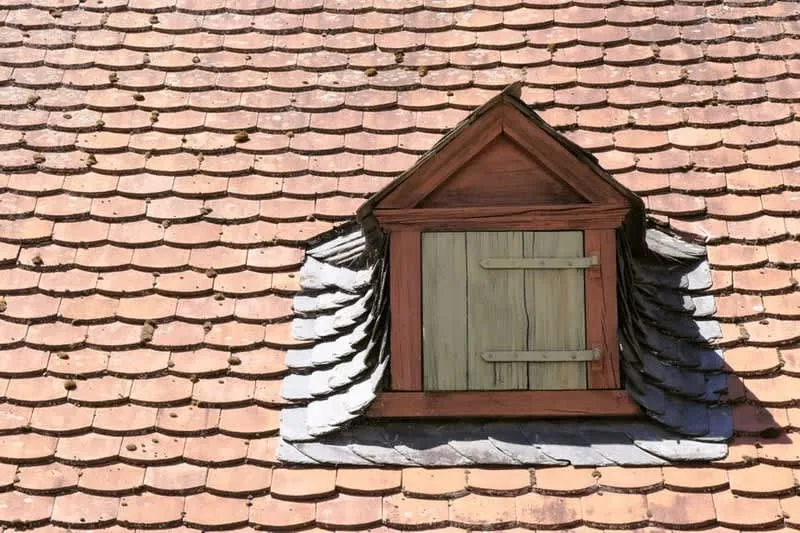
Designated land is not the only way to lose your rights. They can be removed by a condition attached to the original planning permission for the house, and on newer estates this is common rather than exceptional. Developers frequently accept such conditions to get a scheme through, and the effect passes to every subsequent owner.
You will not find this on a map. It lives in the decision notice for the original permission, which means somebody has to go and look. Cornwall Council’s own guidance on Article 4 directions points people at its constraint checker for the same reason - the council publishes no public list, and there are no Cornwall records on the national planning data platform.
So the honest position is that neither you nor we can rule this out from a desk. What we can do is check the decision notice before anything is drawn, which takes an hour and occasionally saves a project.
What it costs to be certain

Cornwall Council publishes real prices for real answers, and on a job this size they are cheap relative to the risk:
| What you get | Fee |
|---|---|
| Householder planning application (from 1 April 2026) | £548 |
| Lawful Development Certificate, proposed use | £274 |
| Written confirmation that PD rights have not been removed | £200 |
| Confirmation of planning restrictions, including occupancy conditions | £318 |
| Listed building consent | No fee |
The £200 confirmation service is the one most people have never heard of, and it is usually the right purchase. The council checks the planning history and the constraints and designations, and gives you the answer in writing.
Two timing notes. Statutory planning fees rose 3.8% on 1 April 2026. And a new national fee schedule takes effect on 8 December 2026, so anything quoted here should be re-checked after that date.
Building regulations apply either way
This is the most common misunderstanding in the whole subject. Permitted development settles planning only. Building regulations approval is required for every loft conversion without exception, because a previously unheated space is joining the heated dwelling - what Approved Document L calls a change to energy status.
The parts that bite: Approved Document K wants 2m of headroom over a stair but makes a specific loft relaxation of 1.9m at the centre of the flight and 1.8m at the side, with a maximum pitch of 42 degrees. Part B requires a protected escape route once the new floor sits above 4.5m, meaning fire doors to E 20 and partitions to REI 30 on the whole stairwell. Part L sets the roof at 0.15 W/m²K, which is tighter than a brand new house is held to.
Cornwall Council’s building control fees are published and include VAT: £1,140 on Full Plans for a typical 10 to 40 square metre conversion, against £1,248 on a Building Notice. Full Plans is cheaper in every band and gets the details agreed before anyone cuts. If your roof already has the head height, a Velux loft conversion is the route that keeps you out of the planning system entirely while still meeting all of the above.
How long the whole thing takes in Cornwall
Allow four to six weeks for drawings, structural calculations and the building control submission. Add eight weeks on top if a planning application is needed, and remember that determination periods are a minimum rather than a promise.
Two local factors stretch the programme in ways the national guides never mention. First, scaffolding: on terraced streets in Truro, Padstow, Fowey and Port Isaac the scaffold has to stand on the pavement, which needs a Cornwall Council highway licence at £157 per calendar month, £5m public liability cover and a minimum two weeks to issue.
Second, labour. CITB’s workforce data shows the South West construction workforce fell from 265,420 in 2024 to 243,530 in 2025, a drop of nearly 22,000 in a single year, with 3,650 extra workers needed annually. Housing repair and maintenance is 27% of regional output, a higher share than the UK structure. Good trades here are booked ahead, and the summer is worse. Starting the planning question early is the cheapest thing you can do to protect your own timeline.
Common questions
- Do I need planning permission for a loft conversion in Cornwall?
- For rooflights, usually not. Class C of the permitted development order covers roof alterations and contains no restriction on article 2(3) land, so a rooflight conversion generally stays permitted development even in a conservation area or the Mining World Heritage Site, provided nothing projects more than 150mm beyond the original roof slope. For dormers, Class B applies and it is expressly unavailable on article 2(3) land. In Cornwall that means all 145 conservation areas, the 27% of the county inside the Cornwall National Landscape, the Tamar Valley National Landscape and all ten areas of the Cornwall and West Devon Mining World Heritage Site.
- How much does a householder planning application cost in Cornwall?
- £548 from 1 April 2026, up from £528 the year before. Cornwall Council applies the national statutory fee unchanged. A Lawful Development Certificate for a proposed use costs half a full application at £274, and listed building consent carries no fee at all. Note that a new national fee schedule takes effect on 8 December 2026, so any figure quoted now should be re-checked after that date.
- How can I be certain my permitted development rights still exist?
- Cornwall Council will confirm in writing that permitted development rights have not been removed from a householder property for £200. It checks both the planning history and the constraints and designations affecting the site. For a formal, legally weighted answer, a Lawful Development Certificate for a proposed use costs £274. On an older estate the specific thing to look for is a condition on the original permission removing Class B rights, which is common and is not recorded anywhere you can search from home.
- Does a loft conversion still need building regulations approval if it is permitted development?
- Yes, always, and the two systems are completely separate. Permitted development only settles whether you need planning permission. Building regulations approval is required regardless, because a loft conversion triggers what Approved Document L calls a change to energy status - a previously unheated space becomes part of the heated dwelling. Part A covers the structure, Part K the stairs, Part B fire escape, Part F ventilation and Part P the electrics.
- Are there Article 4 directions in Cornwall that affect loft conversions?
- Cornwall Council does not publish a public list, and there are no records for Cornwall on the national planning data platform. Its own guidance directs people to its constraint checker instead. The only externally confirmed direction in the county is the Falmouth HMO direction in force since June 2016, which concerns changes of use rather than householder roof works. Because a direction cannot be ruled out from a desk, this is exactly the situation the £200 written confirmation exists for.