
Does A Garage Conversion Add Value To A House In Cornwall?
Somewhere on the internet right now, a trade website is telling a homeowner that a garage conversion adds 20% to the value of their house. It is a figure with remarkable stamina and, as far as we can establish, no source. What the actual research supports is smaller, more interesting, and - in Cornwall specifically - swings harder by postcode than almost anywhere in England, because this county contains both £330,000 market towns and coastal villages where the average sale tops £1.3 million and a bare parking space has sold for £55,000.
So the honest answer to the question in the title is: yes, usually, by around 5 to 7% - and occasionally no, the garage is worth more as a garage. The rest of this post is the arithmetic behind both halves of that sentence, using the published data and real Cornish sold prices, so you can run the numbers on your own house before anyone quotes you for the work.
What a garage conversion is actually worth in Cornwall
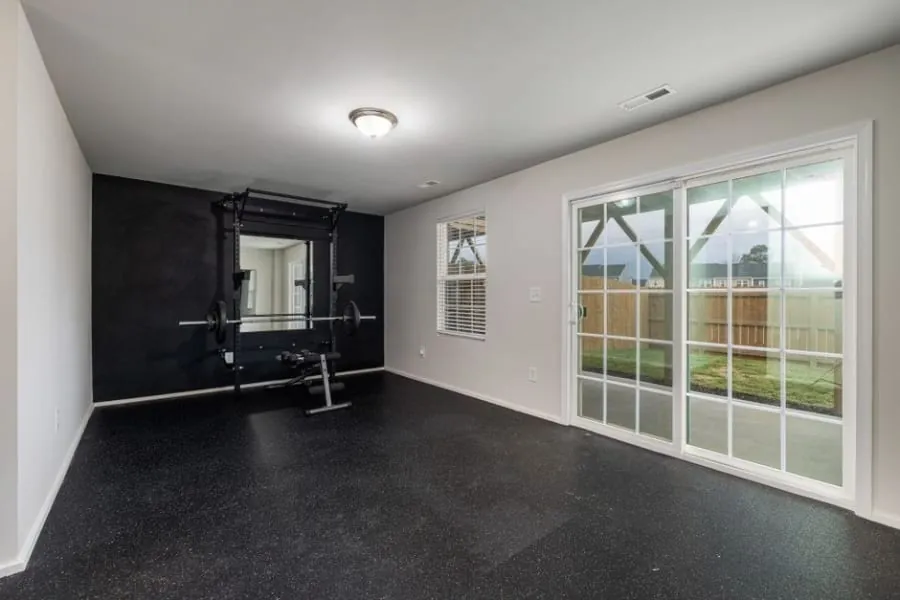
Start with what the space measures. A standard single garage has an internal footprint of roughly 2.4 by 5.4 metres - call it 13 square metres once the walls are lined. Against a typical UK three-bed house of about 90 square metres, that is around 14% more usable floor area, gained without moving a boundary or losing a scrap of garden.
Cost sits well below any other way of adding that much space. As our garage conversion cost guide sets out in detail, a straightforward single conversion in Cornwall runs around £15,000 to £20,000, with an integral garage opened into the main house at £18,000 to £25,000 - versus £40,000-plus for a modest extension delivering a similar footprint, before the extension’s planning fees and lost garden.
So the space is cheap. The question is what it does to the sale price, and that is where the folklore needs replacing with the two or three numbers that have actual research behind them.
What a garage conversion adds: the maths Nationwide supports
The most-cited research on what home improvements are worth is Nationwide’s analysis of its own house price index, refreshed in October 2025 and covered in detail by Which?. Its headline findings: taking a two-bed house to three beds adds around 13%, rising to 17% on detached homes; an extra bathroom adds about 4%; and a loft conversion or extension delivering a double bedroom with a bathroom adds up to 24%. Garage conversions appear nowhere in it - which is precisely why every percentage you have read about them deserves suspicion.
What the same research does give us is a conversion factor: all else equal, a 10% increase in floor space adds roughly 5% to value. Apply that to the 14% a single garage represents and you land at an uplift in the high single digits - we use 5 to 7% as the defensible range, trimming for the fact that ground-floor converted space, however good, rarely carries the full premium of original rooms.
The exception is the conversion that crosses a category line. Add a genuine bedroom - one with an escape window, proper insulation and a believable place for a bed - and you are pricing off the bedroom figures, not the floor-space ratio. Add an en-suite shower room as part of the job and Nationwide’s 4% bathroom finding stacks on top. This is why two conversions with identical budgets can move a valuation by quite different amounts.
Six million garages full of everything except cars

Whenever value comes up, someone worries that removing the garage removes something buyers want. The research is bluntly unsentimental about this. RAC polling found that 53% of drivers with a garage never put a car in it, and among those who do not, 68% say the garage is too full of other possessions to fit one. Scale that up and nearly six million British garages are functioning as sheds with delusions of grandeur.
Modern cars have made the situation terminal: a current family SUV simply does not fit through a 1970s garage door with the mirrors out. What most garages actually do all day is store bikes, paint, a chest freezer and the boxes from a house move two owners ago - a service a £1,500 garden shed performs just as well.
The honest accounting, then, is not “room gained, garage lost”. It is “room gained, storage relocated” - and if you budget the shed into the project, the loss column all but empties. What does not belong in that breezy dismissal is parking, which in Cornwall deserves a section of its own.
Where you are in Cornwall changes the answer completely
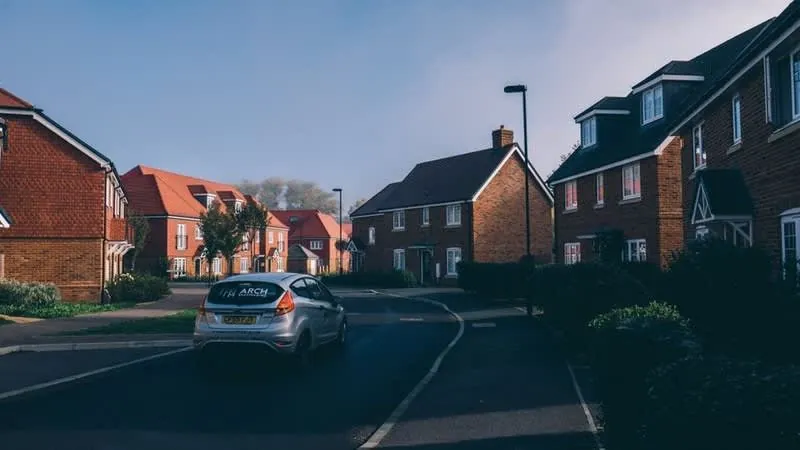
Here is the piece of arithmetic no national article can do for you. The uplift is a percentage of your house’s value, while the build cost is stubbornly similar everywhere - a block wall costs what it costs whether it stands in Rock or Roche.
Run the range across our patch using Rightmove’s sold-price averages for the past year. In Newquay, the average sale was about £336,000, so 5 to 7% is £17,000 to £23,000 - against a build cost of £15,000 to £25,000, that is roughly break-even on resale value alone. Wadebridge averages about £373,000, nudging the sums positive. Rock, the most expensive address in the county at an average of £1.39 million, turns the identical room into £70,000 to £97,000 of value for the same outlay - a return of three or four times the spend.
We made the same point about lofts in our post on whether converting a Cornish bungalow’s loft pays, and it bears repeating because it cuts both ways. In the county’s higher-priced coastal belt a conversion is close to free money. In its cheaper inland towns, the resale case alone is thin, and the real justification is different but perfectly respectable: a fifth of the cost of moving house, no stamp duty, and a room your family uses for a decade before any valuer sees it.
The parking question nobody prices in

Now the counterweight. In most of Britain a parking space is a convenience. In a handful of Cornish coastal towns it is an asset class: as long ago as 2012, parking spaces in St Ives were selling for £50,000 each, one having gone for £55,000 - and sixty buyers queued for the next five. That was 2012, and St Ives has not become easier to park in since.
The dynamic repeats at smaller scale through the villages we work in: Port Isaac, Padstow, Fowey, Mousehole - anywhere a medieval street plan meets summer visitor numbers. In those places, a house whose garage is its only off-street space faces a genuine trade-off. Convert it and the value of the new room can be partly or wholly cancelled by the value of the parking that vanished, especially for the second-home and holiday-let buyers who dominate those markets and who will not carry luggage 400 metres from a car park in August.
The test is mercifully simple. Stand outside at 6pm on a wet Friday and ask where the car goes if the garage becomes a study. If the answer is “the driveway”, convert with a clear conscience - that is the situation for the large majority of garages on the estates of Bodmin, St Austell, Newquay and Wadebridge. If the answer is “somewhere on the street, hopefully”, get a local estate agent’s view on what off-street parking is worth in your specific village before committing. It is one phone call, and it is occasionally worth £50,000.
What surveyors need to see before the value exists
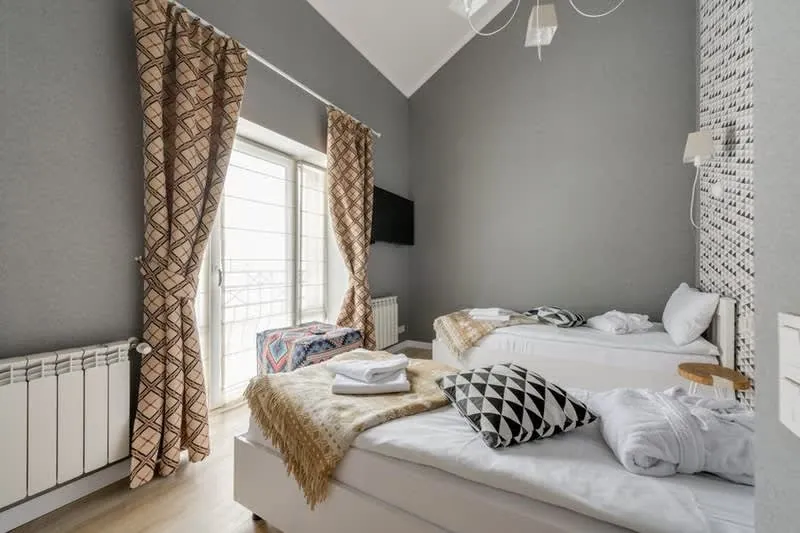
Every figure above assumes one thing: that the conversion reads as house, not as a garage wearing carpet. Valuers discount ruthlessly for the tells - a step down onto a cold slab, a ceiling grille where the door mechanism was, a radiator that is really a plug-in panel, the up-and-over door retained behind a stud wall as a bodge. Space like that gets counted as storage, and storage attracts storage money.
The paperwork matters as much as the finish. A conversion without a building control completion certificate does not officially exist as habitable space: the buyer’s lender will ask for the certificate, and the absence of one triggers renegotiation, indemnity insurance or a retention. Cornwall Council’s building control fee for a typical single garage is £1,140 including VAT - it is the price of the room being real, and it is never the place to economise. The full compliance picture, from damp proofing the slab to the escape window a bedroom needs, is covered in our planning permission post linked above.
One more Cornish specific: insulation quality decides whether the room gets used between October and March. A converted garage on the Atlantic-facing side of the county, done to minimum standards, is a lovely room for five months a year. Done properly - floor, walls, roof, and airtightness at the old door opening - it is simply a room, and that is the version that earns the percentages in this post.
The rooms that earn their keep

What the space becomes shapes the return, so it is worth naming the conversions that consistently justify themselves. The home office leads by a distance in our enquiries - remote and hybrid workers who moved to Cornwall for the lifestyle and now need somewhere with a door that shuts. A dedicated workspace is a line item buyers actively search for, and it is the cheapest conversion to fit out.
The guest bedroom with en-suite is the value play, stacking the bedroom uplift and the 4% bathroom finding into one project - where the garage’s proportions allow a real bed and building regs sign-off as sleeping accommodation. The home gym costs the least and sells the lifestyle. And the annexe for an ageing parent or a boomeranging twenty-something is the one that reshapes how a household works, though it carries planning wrinkles of its own that we cover on the annexes page.
What they share is permanence. Nobody converts back. In 250-plus conversions we have organised, we have never once been asked to turn a room into a garage again - which tells you what households, as opposed to spreadsheets, conclude about where the value sits.
If you want the two numbers that decide it for your house - what your specific garage would cost to convert, and an honest view of what it would return in your specific town - ask us for a free quote and we will give you both before you spend anything.
Common questions
- How much value does a garage conversion add in Cornwall?
- Work from Nationwide's floor-space finding rather than headline percentages: a 10% increase in usable floor area adds roughly 5% to a house's value. A single garage of around 13 square metres is close to 14% of a typical three-bed house, so a well-finished conversion supports an uplift in the region of 5 to 7%. On the average Newquay home at about £336,000 that is £17,000 to £23,000; in Rock, where the average sale over the past year was £1.39 million, the same room supports £70,000 or more. The build cost is broadly the same in both places.
- Is the claim that a garage conversion adds 20% true?
- We have never found a source for it. The figure circulates on trade websites attributed vaguely to research, but Nationwide's 2025 what-adds-value report does not mention garage conversions at all. Its findings are about bedrooms and floor space: a third bedroom on a two-bed house adds around 13 to 17%, an extra bathroom around 4%, and a loft conversion with a double bedroom and bathroom up to 24%. A garage conversion only reaches the bedroom-level numbers if the new room genuinely functions and presents as a bedroom, which single-storey garages often cannot.
- Will losing my garage put buyers off?
- Losing storage bothers buyers less than the survey data suggests it should, and losing parking bothers them far more. RAC research found 53% of drivers with garages never park a car in them, mostly because the garage is full of other things, so the parking function has often lapsed already. The question that matters is whether a car can still get off the street. On a house with a driveway the answer is yes and the objection disappears. On a tight coastal street where the garage is the only off-road space, the parking can genuinely be worth more than the room.
- Does a garage conversion need to be signed off to count at sale?
- Yes. A conversion without a building control completion certificate is, to a valuer, an insulated storeroom. Lenders and conveyancers ask for the certificate, and without it buyers renegotiate or walk. Cornwall Council charges £1,140 including VAT for building control on a typical single garage conversion, which buys the inspections and the piece of paper that lets a surveyor count the space as habitable at all. It is the least optional cost in the whole project.
- What does a garage conversion cost compared to the value it adds?
- A straightforward single garage conversion in Cornwall runs around £15,000 to £20,000, rising to £18,000 to £25,000 where an integral garage is opened into the main house. Set that against an uplift of 5 to 7% of your specific house's value and the arithmetic is local: comfortably positive around Rock, Padstow and the higher-value coast, roughly break-even on resale value alone in the county's cheaper towns - where the case rests on gaining a room for a fifth of the cost of moving house.